If you’ve ever asked “what does a compensator do?”, the answer is simple: it helps reduce recoil and muzzle rise by redirecting gases as your gun fires. Whether it’s a pistol or rifle, a gun compensator can make a major difference in shooting performance. Compensators are especially popular for recoil reduction and fast follow-up shots, and understanding their types and uses is essential before mounting one to your firearm.
Gun compensators reduce recoil and muzzle rise by redirecting the combustion gases exiting the barrel when you fire a round from your rifle or pistol. On a bare muzzled barrel, when the bullet and gases leave the barrel, they push the firearm back into you (Newton's 3rd Law); this force is recoil or "kick." Once the rifle recoils, your shoulder acts as a fulcrum point, which drives the barrel upwards, known as muzzle rise.
Firearms compensators take that combustion gas and disperse it so that you feel less recoil and therefore have less muzzle rise. Due to the design of many compensators, they also help to reduce muzzle flash.
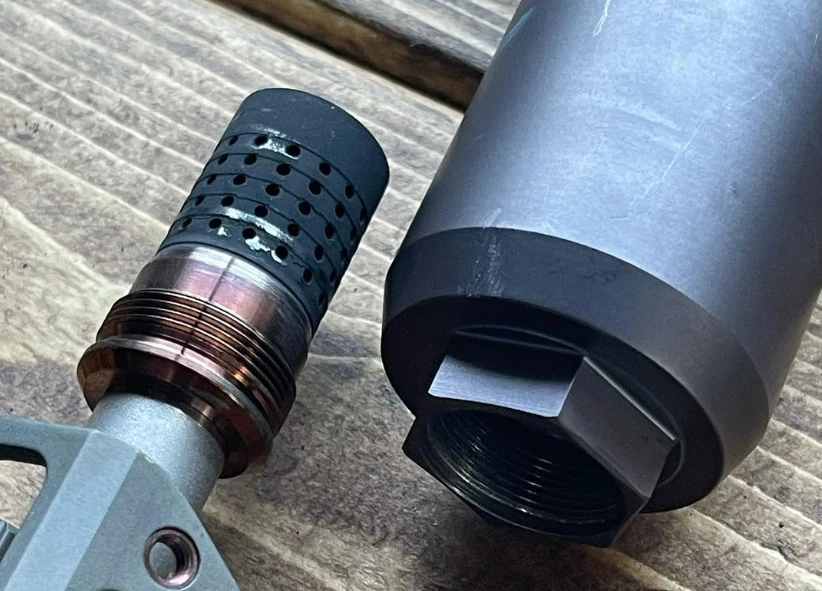
Credit: @unpossible_by_q
Table of Contents
What is a Compensator on a Gun?
Compensators are muzzle devices that can easily be installed on rifles or pistols with threaded barrels. Simply put, they compensate for the natural muzzle rise of a firearm after firing a bullet. This is accomplished by jetting the gases upwards to drive the muzzle down; the SureFire Warcomp works this way. The other way compensators work is by evenly distributing in all directions or omnidirectionally; the Q Cherry Bomb is an excellent example of an omnidirectional compensator.
What Does a Compensator Do on a Pistol?
Compensators make pistols easier to shoot accurately and quickly. Handguns are notoriously "snappy" to shoot; without a lot of training and practice on the range, making consistent hits can be difficult. With the number of people concealed carrying a firearm every day sharply increasing over the next handful of years, there has also been a push to make these firearms easier to shoot and more optimal for self-defense. We commonly see the question, "Do compensators reduce recoil?" Yes, they do. In a study conducted by Parker Mountain Machine, they found that pistol compensators can reduce recoil by as much as 37% compared to uncompensated pistols.
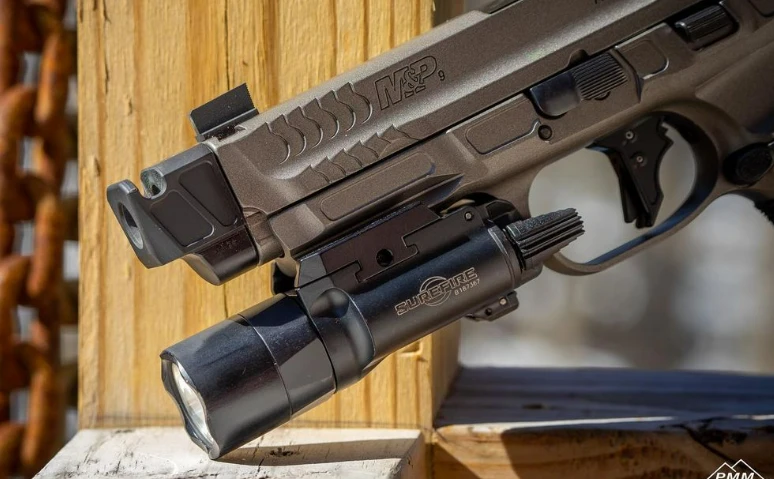
Credit: @parkermountainmachine.pmm
Suppressors and Compensators
While both suppressors and compensators attach to the muzzle, their primary functions differ. Compensators reduce recoil and muzzle rise, while suppressors reduce sound.
Compensators can be awesome suppressor mounts as they direct gases outward from the muzzle, which helps take advantage of the blast chamber on many suppressors. Popular compensators for suppressors include the SureFire WarComp, Q Cherry Bomb, and Dead Air Xeno. These muzzle devices feature quick detach (QD) systems to easily install a silencer to your firearm.
Some suppressors allow for the use of external compensators to reduce recoil even further. The Dead Air Ebrake is an omnidirectional compensator that mounts on the muzzle of Dead Air silencers.
Compensator vs Suppressor: Quick Comparison
- Function: Recoil vs Sound Suppression
- Design: Open vents vs Sealed construction
- Use Case: Faster shooting vs Quieter shooting
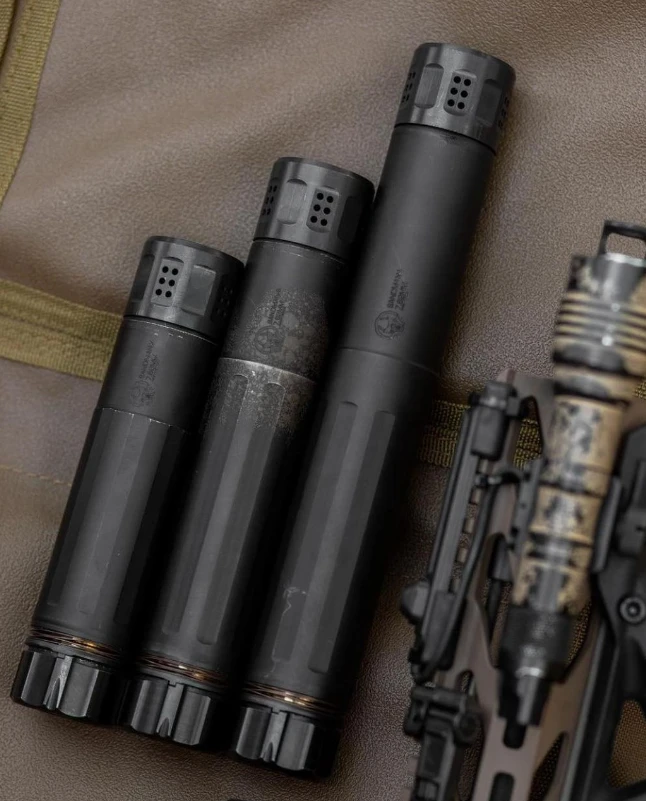
Credit: @DeadAirSilencers
Compensator Pros & Cons
Like the other muzzle devices we've discussed, there are considerations to be made when thinking about installing these devices on your guns.
Pros
- Less muzzle flip and felt recoil. This is the primary purpose and benefit of compensators.
- Compensators allow faster, more accurate follow-up shots and, generally, tighter groups.
- Compensators may offer protection for your silencer. Silencers are durable, but having a compensator act as a sacrificial baffle of sorts never hurts.
- Part of shooting good is looking good, and compensators look super cool on rifles and handguns.
Cons
- Compensators can add a bit of noise. Here at Silencer Shop, we're all about making shooting easier on the ears. But by redirecting gases more toward the shooter, compensators can also raise the volume for you and your friends at the range.
- Some compensators must be timed correctly, like muzzle breaks, to achieve the best results.
Popular Compensator Calibers
Compensators come in all shapes and sizes, and you can likely find a compensator for just about any caliber firearm in your safe. Everything from .22lr up to 50BMG can benefit from less recoil, and compensators can be an excellent tool for that job. The most common calibers for compensators are 9mm, 5.56, and 7.62.
9mm Compensators
Compensators have changed the way people shoot pistols, a good comp makes your handgun much easier to control, making it more safe and making you more accurate. The benefits of 9mm compensators are undeniable; the top-performing USPSA shooters, LEO/SWAT teams, and even military units use compensated handguns for their lack of recoil and ease of follow-up shots. If you're wondering what the best pistol compensator for your handgun is, the CGS Qube is a great option.
AR 15 compensators (5.56 and 7.62 Comps)
With AR-15s being among the most popular rifles in America, there is also a massive aftermarket for people wanting to upgrade and customize their guns. 5.56/.223 is the most common size for AR15 compensators, but many are also available in 7.62/.308 to accommodate 300BLK rifles. The SureFire Warcomp is one of the best compensators for AR-15s.
.308 compensators
Consider an omnidirectional compensator if you're looking to tame the recoil on a larger, more powerful rifle like a .308. Being able to disperse as much gas as possible helps to keep the gun on target and stop you from feeling like you got punched in the shoulder after every shot. Check out the Dead Air Xeno and Q Cherry Bomb for options to control .308/7.62 guns.
Threaded vs Integrated Compensators
Threaded compensators are attached externally to barrels with threading and can be swapped or removed. Integrated compensators, on the other hand, are built into the barrel itself. Threaded compensators offer flexibility and customization, while integrated designs may provide smoother operation and better recoil control without increasing barrel length. Both have strong use cases depending on your firearm and needs.
Conclusion
Compensators are amazing tools for giving you that extra edge for accuracy and performance while shooting. Similarly to flash hiders and muzzle brakes, comps are a great option if you also want to be able to attach a suppressor. If you're looking to squeeze more performance out of your rifle or pistol, a compensator might be the best muzzle device for you.